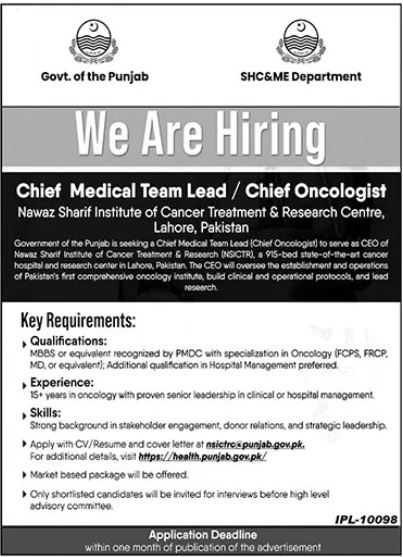
Chief Medical Team Lead & Chief Oncologist Jobs 2024
The healthcare sector in 2024 continues to evolve, offering a multitude of exciting career opportunities for experienced professionals dedicated to improving patient care and driving medical advancements. Among the most prestigious and high-impact roles available this year are the Chief Medical Team Lead and Chief Oncologist positions. These leadership roles not only come with great responsibility but also provide an opportunity to shape the future of healthcare delivery and oncology treatment.
As health systems around the world face new challenges, the demand for qualified, skilled leaders who can steer medical teams and lead advanced treatment practices is growing. The Chief Medical Team Lead and Chief Oncologist roles offer dynamic and rewarding career paths, ideal for individuals with extensive clinical experience, leadership abilities, and a passion for improving patient outcomes.
In this article, we will explore the key responsibilities, required qualifications, and career benefits of these two exceptional roles within the healthcare sector in 2024.
Chief Medical Team Lead Role: Overview
The Chief Medical Team Lead plays a crucial role in overseeing the clinical operations of a healthcare facility, ensuring that medical teams deliver the highest standard of care. This leadership position requires not only clinical expertise but also strong management and coordination skills to manage multidisciplinary teams effectively.
Key Responsibilities of a Chief Medical Team Lead
- Leadership and Team Management: The Chief Medical Team Lead is responsible for providing leadership to a diverse group of healthcare professionals, including doctors, nurses, specialists, and administrative staff. This role involves fostering a collaborative, efficient, and supportive environment where all team members can work cohesively to achieve optimal patient outcomes.
- Clinical Oversight and Quality Assurance: One of the core responsibilities is to ensure that clinical practices across the team meet high standards of quality and safety. The Chief Medical Team Lead is responsible for overseeing clinical protocols, identifying areas for improvement, and implementing best practices to enhance patient care.
- Strategic Planning and Policy Development: The Chief Medical Team Lead also plays an essential role in long-term planning for the healthcare facility. This includes developing strategic initiatives, policies, and practices that align with the goals of the institution and meet the needs of the patients they serve.
- Training and Mentorship: As a senior member of the medical team, the Chief Medical Team Lead is responsible for providing guidance, mentoring, and professional development to junior medical staff. This ensures the ongoing growth of healthcare professionals and the continuous improvement of the care provided.
- Collaboration with Administration: The Chief Medical Team Lead works closely with the hospital administration, including the Chief Executive Officer (CEO) and the Chief Operating Officer (COO), to align the medical team’s goals with the overall objectives of the healthcare facility. This collaborative approach helps drive the institution’s success in delivering comprehensive care.
Qualifications and Skills for Chief Medical Team Lead
- Educational Background: A medical degree (MD or MBBS) is required, along with board certifications and specialized training in the relevant area of medicine. A Master’s in Healthcare Administration (MHA) or a similar degree is also highly desirable for this leadership role.
- Experience: Significant clinical experience (typically 8-10 years or more) is required, along with experience in a leadership or managerial position. This could include roles such as Department Head, Medical Director, or Senior Medical Officer.
- Leadership Skills: Strong leadership and interpersonal skills are critical for this role, as the Chief Medical Team Lead is responsible for guiding large teams and making high-stakes decisions.
- Communication: Effective communication skills are essential to ensure smooth coordination among teams, administrative staff, and patients.
Chief Oncologist Role: Overview
The Chief Oncologist is a senior position within oncology departments, responsible for overseeing cancer treatment programs, providing expert care to patients, and guiding the development of innovative treatment strategies. As cancer care evolves with advancements in medical research and technology, the Chief Oncologist plays a key role in shaping the future of oncology treatment and patient outcomes.
Key Responsibilities of a Chief Oncologist
- Clinical Excellence and Patient Care: As the senior oncologist, the Chief Oncologist is responsible for providing high-level clinical care to cancer patients. This includes diagnosing and treating various types of cancers, recommending appropriate treatment plans, and ensuring the best possible outcomes for patients.
- Leadership of Oncology Team: The Chief Oncologist leads a team of oncologists, radiologists, nurses, and support staff. They ensure that all members of the oncology team are working in sync to deliver comprehensive, patient-centered care, including chemotherapy, radiation therapy, and immunotherapy treatments.
- Research and Innovation: The Chief Oncologist is responsible for staying at the forefront of medical advancements in oncology, promoting research within the department, and integrating the latest findings into clinical practice. This role involves collaboration with research institutions and medical teams to develop and test new treatment methods.
- Collaboration with Multidisciplinary Teams: Cancer care often requires a multidisciplinary approach, and the Chief Oncologist works closely with surgical teams, radiology departments, and other specialists to coordinate comprehensive care for patients. This coordination is crucial for providing personalized treatment plans for individuals with complex cancer diagnoses.
- Policy Development and Education: In addition to clinical care, the Chief Oncologist helps develop institutional policies regarding cancer care and treatment. They also play an important role in educating patients and the community about cancer prevention, treatment options, and the importance of early detection.
Qualifications and Skills for Chief Oncologist
- Educational Background: A medical degree (MD or MBBS) followed by specialized training in oncology is essential for this role. A fellowship in oncology and board certification in oncology are required. Advanced degrees, such as a Master’s in Oncology or Medical Research, are advantageous.
- Experience: Extensive clinical experience (typically 10-12 years) in oncology, including experience in leadership roles such as a Senior Oncologist or Oncology Department Head. Expertise in a specific area of oncology, such as pediatric oncology, surgical oncology, or radiation oncology, may be a plus.
- Research Skills: A strong background in clinical research, including experience in publishing research papers or leading clinical trials, is essential for the Chief Oncologist role.
- Leadership and Communication: Excellent leadership, communication, and interpersonal skills are required to manage a multidisciplinary oncology team and collaborate effectively with patients, families, and other healthcare providers.
Benefits of Working as Chief Medical Team Lead & Chief Oncologist
Both the Chief Medical Team Lead and Chief Oncologist positions offer a wealth of benefits, including competitive compensation, job satisfaction, and the opportunity to make a lasting impact on patient care. Healthcare professionals in these roles often enjoy:
- Leadership Opportunities: These positions provide the chance to influence healthcare delivery on a large scale, from individual patient care to institutional policy.
- Job Security: With the growing demand for highly qualified medical leaders, both roles offer long-term career stability and the potential for advancement.
- Intellectual Fulfillment: Working as a Chief Medical Team Lead or Chief Oncologist provides the opportunity to stay at the cutting edge of medical advancements, while directly contributing to improving the quality of life for patients.
- Work-Life Balance: Many healthcare institutions offer flexible schedules and support for personal well-being, providing a healthy balance between professional and personal life.
How to Apply for Chief Medical Team Lead & Chief Oncologist Jobs in 2024
If you are interested in pursuing a career as a Chief Medical Team Lead or Chief Oncologist in 2024, the application process typically involves:
- Submit a Detailed CV: Include all relevant educational qualifications, clinical experience, certifications, and leadership roles held in the past.
- Cover Letter: Write a compelling cover letter explaining why you are passionate about healthcare leadership and how your experience aligns with the job requirements.
- References: Include professional references who can attest to your qualifications, experience, and leadership abilities.
- Interview Process: Prepare for multiple rounds of interviews, including technical discussions, leadership assessments, and potential presentations about your vision for patient care and team management.
Conclusion
In 2024, the healthcare sector continues to seek exceptional leaders in both the medical and oncology fields. The roles of Chief Medical Team Lead and Chief Oncologist offer professionals the opportunity to contribute to the advancement of medical care and patient outcomes while leading dynamic teams of healthcare experts. With the right qualifications, leadership skills, and dedication to improving patient care, these positions represent a significant opportunity for growth and fulfillment in the healthcare industry.
If you are ready to make a meaningful impact on the future of medicine and oncology, the time to apply for these prestigious roles is now. Your expertise could be the key to transforming healthcare delivery and improving the lives of countless patients.